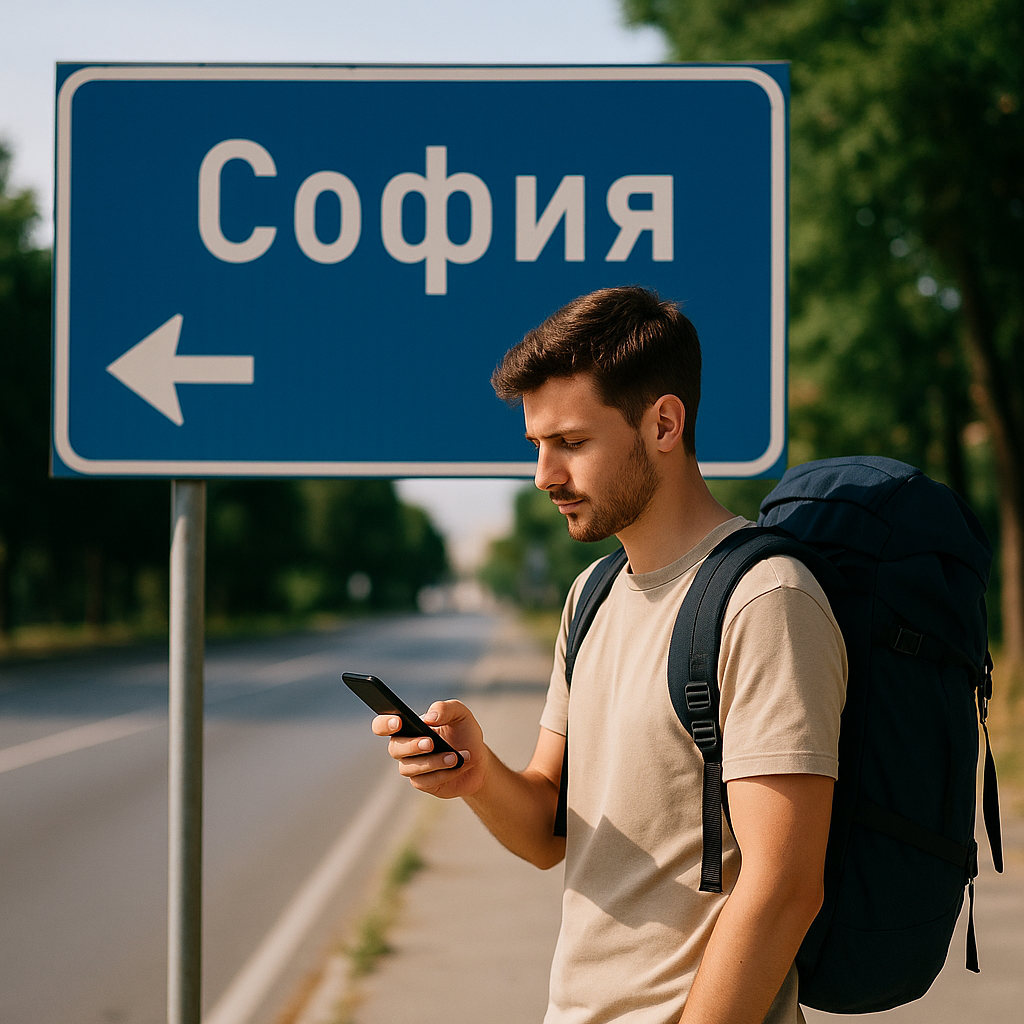
More and more people from German-speaking Europe are looking south-east. Moving to Bulgaria promises lower costs, a mild climate and a less hurried way of living. Before you commit, it is worth looking closely: what does Bulgaria actually offer, where is the friction, and what makes the first year work?
What makes Bulgaria attractive
Cost of living: Bulgaria is among the least expensive countries in the EU. Housing, food and services cost noticeably less than in Germany or Austria.
Taxes: A flat 10 % personal income tax and a 10 % corporate tax rate make the country attractive on paper — how much of that reaches you depends on where you are tax resident, which is a question to settle with an adviser before you move, not after.
Quality of life: Mountains, a Black Sea coast, a mild climate and a deep cultural history.
EU membership: Freedom of movement, access to the single market and an EU legal framework.
Those factors attract retirees, but also remote workers, founders and young families.
The challenges
None of this is frictionless:
Language: Bulgarian, written in Cyrillic, is the first real hurdle for most newcomers.
Administration: A lot has become simpler, but dealing with public offices still takes patience — especially without the language.
Cultural differences: People are warm and direct; processes are sometimes more formal than you expect.
Which is why one thing matters more than any other single preparation step: learning some Bulgarian.
Language is the key to settling in
Speaking even basic Bulgarian changes daily life:
Everyday life: small talk with neighbours, the market, a restaurant.
Offices: contracts, taxes, doctor's appointments — all of it gets easier.
Business: partners notice and appreciate the effort.
Choose a place: Sofia (urban and international), Plovdiv (cultural and creative) or Varna and Burgas on the coast.
Sort out the money side early: bank account, tax residence and insurance are easier to clarify before the move than after it.
Build a network: online communities, coworking spaces and regular meet-ups are how most newcomers find their footing.
Start slowly: spend a few months in the country before you give up your old home.
Conclusion
Bulgaria offers affordable living, real opportunities and a Mediterranean-flavoured everyday life inside the EU. People who learn some of the language and prepare properly tend to settle quickly.
On Start in BG you will find first-hand accounts, guidance on company formation and material on what living in Bulgaria is actually like.
Moved from Bansko to Sofia? Depending on your residence status there are one or two authorities to notify – and the order is not arbitrary. Which deadline runs, why the municipality comes before Migration, and what this typically fails on.
Only the owner signs – the tenants do not, and they do not have to go to the notary either. What belongs in the declaration, which notarisation type matches which status, and why a married couple needs two originals.
Ask this in any expat group and you get three contradictory answers – and all three can be right. Why that happens, which three procedures keep getting confused, and which type of notarisation actually belongs to your residence status.