More and more people are considering moving their centre of life abroad, and Bulgaria has been one of Europe's quieter recommendations for several years: low living costs, a flat 10 % tax rate, and the combination of EU membership with a good quality of life. We have written about company formation here in our book. Alongside this site, one of the better-known German-language starting points for people considering the move is auswanderung-bulgarien.de. Who is behind it, and what do they actually do?
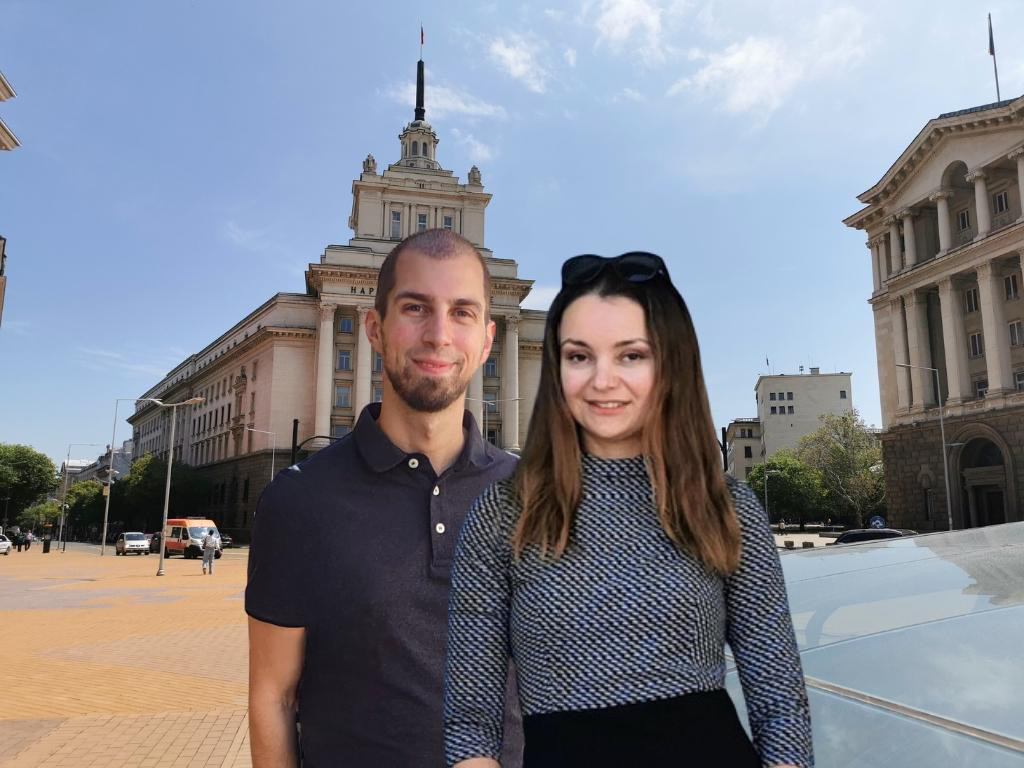
Tatjana and Jérôme Helmke — from Augsburg to Sofia
The site is run by Tatjana and Jérôme Helmke, a couple from Augsburg who made the move themselves. Their journey began in 2021, when they left Germany for Cyprus. There they had their first experience of living abroad — from the euphoria of sun and sea to the very practical hurdles of bureaucracy, offices and costs.
They later chose Bulgaria and settled in Sofia, where they founded their own company and built the platform Auswanderung Bulgarien.
Their stated mission: to spare other people the mistakes, detours and uncertainties they went through themselves.
From a marketing job to advising on relocation
Tatjana Helmke has a business background and worked for several years in marketing, partly in the IT sector. At some point she wanted a life with more freedom and self-determination, and chose remote work and self-employment over corporate structures. She brings her experience in online marketing, e-commerce and project management to the joint project, alongside her own practical knowledge as a digital nomad.
Jérôme Helmke comes from sales. He too gave up his career in Germany to concentrate fully on the new life and the shared company in Bulgaria. He describes himself as an entrepreneur with a taste for new places.
MediaForgePro OOD — the company behind the site
To put the project on a proper legal footing, the two founded MediaForgePro OOD, a Bulgarian limited company, in Sofia in 2023. They hold equal shares and use it for consulting, marketing and their relocation offering.
Part of that work today is advising on relocation, moving and company formation in Bulgaria. Their site carries blog articles on living costs, tax liability and health insurance, and they also offer personal consulting and a structured online course.
The course, and what it covers
People interested in Bulgaria run into the same walls: unclear information, contradictory forum posts, language barriers. Their course is aimed at that gap.
It is written for self-employed people, online founders and digital nomads who want to move their business to Bulgaria, and its stated goal is a legally sound and low-stress relocation. According to the couple, it covers a route from deregistering in Germany to registering in Bulgaria, document templates and wording for offices, more than three hours of video, and a set of workbooks and checklists covering residence, company formation, tax liability, health insurance, living costs and finding a flat. They work with local tax specialists on the detail.
A note on how to read this: the description above is what the providers say about their own product. We have not audited the course, we take no commission on it, and this profile is not a recommendation — it is a portrait of two people who are visible in this space. Our own position on paid content is on how we verify.
Social media and community
The Helmkes share their experience across several channels:
On Instagram (@auswanderung.bulgarien) they post glimpses of life in Sofia and tips for newcomers.
Their Facebook page is aimed at people considering the move.
Tatjana also runs the YouTube channel Tanja's Journey, with coverage of events such as the Bansko Nomad Fest.
They are active in online communities and forums, answering questions and sharing experience.
The picture that emerges is of two people who are part of the expat community rather than observers of it.
https://www.youtube.com/watch?v=xakv9xwiYtc
In summary
Tatjana and Jérôme's story shows how a personal relocation can turn into a professional project. Their platform is one of the more visible German-language starting points for people seriously considering a new start in Bulgaria.
We put a set of questions to them about the move itself. Read on in part 2 and part 3 of the series.
FAQ
1. Who runs auswanderung-bulgarien.de? Tatjana and Jérôme Helmke. The couple are originally from Augsburg and have lived in Sofia since 2023. Through their company MediaForgePro OOD they support other German speakers moving to and founding in Bulgaria.
2. Why Bulgaria? Low living costs, EU membership and a flat 10 % tax rate. For self-employed people and online founders in particular, the country combines tax advantages with a growing international community.
3. What does the project offer? Alongside blog articles and free information, the couple offer personal consulting, support with company formation (OOD), help with registration in Bulgaria and an online course.
4. Who is the course for? Primarily self-employed people, online founders and digital nomads moving a business to Bulgaria — though families and retirees may find parts of it useful too.
5. Is founding a company in Bulgaria difficult? Forming an OOD is comparatively straightforward. With the right documents the process can be completed in a few days. What each provider charges to do it is in our comparison.
6. What does Bulgaria offer digital nomads? Beyond low costs and good internet, there is a growing scene, especially in Sofia and around events such as the Bansko Nomad Fest.
Moved from Bansko to Sofia? Depending on your residence status there are one or two authorities to notify – and the order is not arbitrary. Which deadline runs, why the municipality comes before Migration, and what this typically fails on.
Only the owner signs – the tenants do not, and they do not have to go to the notary either. What belongs in the declaration, which notarisation type matches which status, and why a married couple needs two originals.
Ask this in any expat group and you get three contradictory answers – and all three can be right. Why that happens, which three procedures keep getting confused, and which type of notarisation actually belongs to your residence status.